
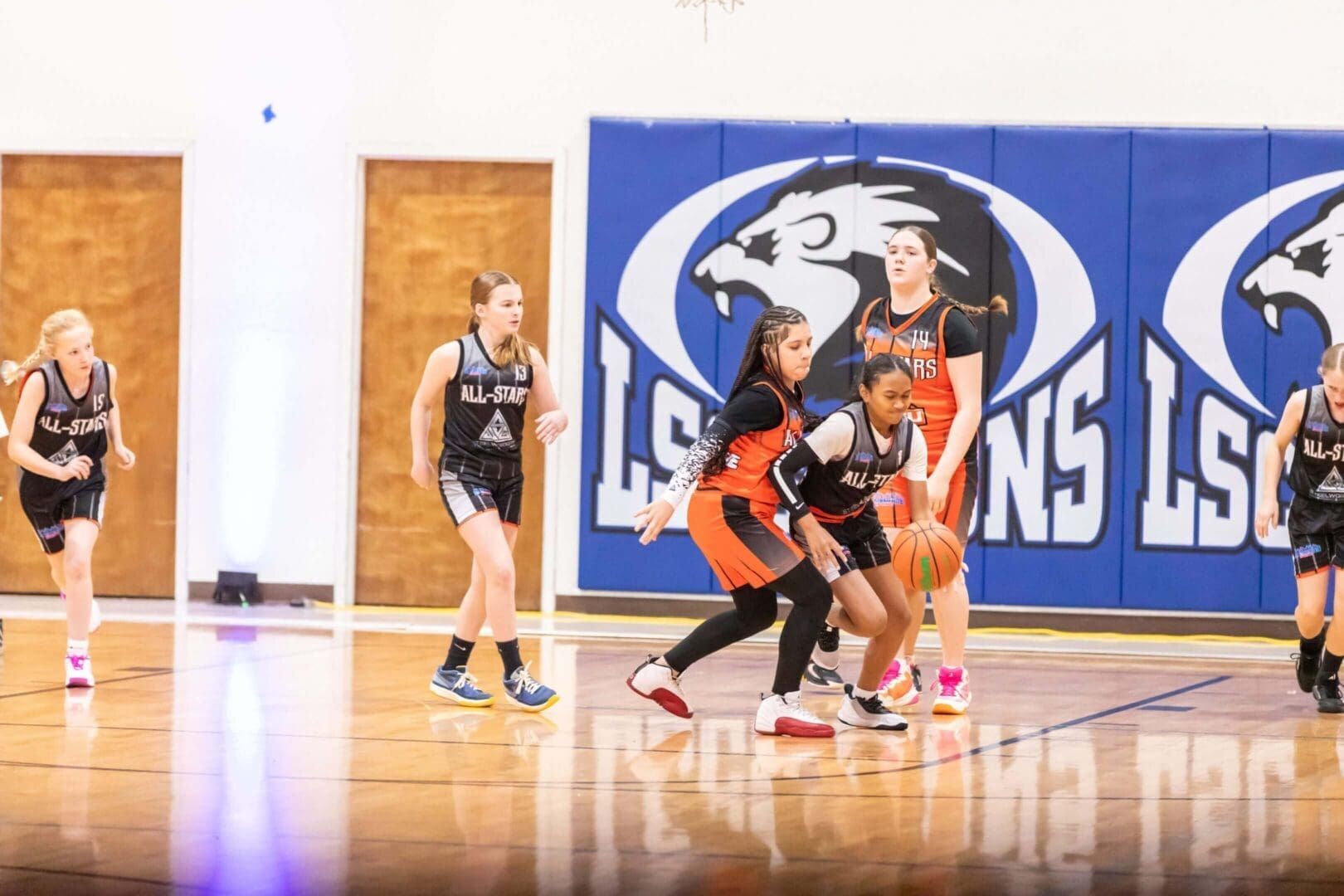
Tryout Ready: A 2-Week Training Plan for Fall Sports Tryouts
The gym doors open in a couple of weeks, and across Houston young athletes are staring down the same question: am I ready? Fall tryouts for volleyball, football, cross country, and soccer are right around the corner, and the two weeks leading up to them matter more than most families realize.
Here’s the good news: you can’t build a whole offseason in fourteen days, but you can absolutely show up sharper than the athlete who spent August scrolling on the couch. Coaches are not looking for finished products at tryouts. They’re looking for athletes who move well, compete hard, and are coachable. All three of those are trainable right now.
Here’s how to use the next two weeks.
Week One: Build the Engine
The first week is about conditioning and movement quality — the two things that get athletes cut before their skills ever get a fair look. If you’re gassed by the second drill, no coach will ever see your jump serve or your first step.
Get your conditioning base back. Three or four sessions of 20–30 minutes is plenty. Alternate steady work (an easy jog or bike) with interval work that mimics your sport: 30 seconds hard, 60 seconds easy, repeated eight to ten times. Volleyball and basketball athletes should keep intervals short and explosive. Cross country and soccer athletes need longer efforts.
Train the movements coaches actually watch. Every tryout, in every sport, evaluates the same four patterns: sprinting, changing direction, jumping, and landing. Spend ten minutes a day on them. Ladder drills, cone shuffles, broad jumps, and single-leg landings cost nothing and pay off immediately.
Do not skip the warm-up. Five minutes of leg swings, walking lunges, high knees, and arm circles before every session builds the habit you’ll need on day one — and coaches notice which athletes warm up on their own.
A note for Houston families: it is still brutally hot in August. Train early morning or after 7 p.m., bring more water than you think you need, and treat any dizziness, cramping, or headache as a hard stop. No tryout is worth a heat illness.
Week Two: Sharpen the Skills
Once the engine is running, shift the emphasis to sport-specific reps and start tapering the volume so you arrive fresh instead of fried.
Pick two skills and drill them relentlessly. Not ten. Two. Serve receive and approach footwork. Ball control and first touch. Route running and catching. Fifteen focused minutes a day on two skills will show up on the court far more visibly than an hour of scattered work.
Practice under pressure. Skills that hold up in your driveway sometimes fall apart with a whistle blowing and twelve other kids watching. Add stakes to your reps: ten serves in a row before you’re done, five made free throws to finish, a partner counting out loud. Get comfortable being uncomfortable.
Back off in the final three days. This is the step athletes get wrong most often. Cut your training volume roughly in half, keep the intensity, and prioritize sleep — nine or more hours for teenagers. Rested athletes jump higher, react faster, and make better decisions. Showing up sore from a huge workout the day before tryouts helps no one.
What Coaches Are Really Evaluating
Talk to any high school or club coach and you’ll hear a version of the same thing: talent gets you looked at, but effort and attitude get you kept.
Sprint back to the line. Be first in the drill line, not last. Learn a teammate’s name and use it. Make eye contact when a coach gives you a correction, and then actually change what you’re doing. When you make a mistake — and you will — reset in three seconds and go again. Athletes who sulk after errors are the easiest cuts a coach makes.
Those behaviors are entirely within your control, and unlike your vertical jump, they can improve overnight.
Parents, your job these two weeks is quieter than you might think. Handle the logistics: physical forms, transportation, water, dinner on the table. Ask “did you have fun?” more often than “how’d you do?” And on tryout day, resist the urge to coach from the parking lot. Your athlete already has enough voices in their head.
Two Weeks Is Enough
You don’t need a perfect summer behind you to make a strong impression. You need a plan, two weeks of honest work, and the kind of attitude coaches remember. That’s it.
Whether your athlete is trying out for the first time or chasing a varsity spot, the fundamentals are the same: get your body moving, sharpen a couple of skills, rest before it counts, and compete like it matters.
Be Someone Sports builds programs around exactly this kind of development — skills, conditioning, and confidence — for young athletes across the Houston area. Explore our programs to find the right fit for your athlete this fall, and share this post with a teammate’s family who’s counting down to tryouts too.


Share this post:
