
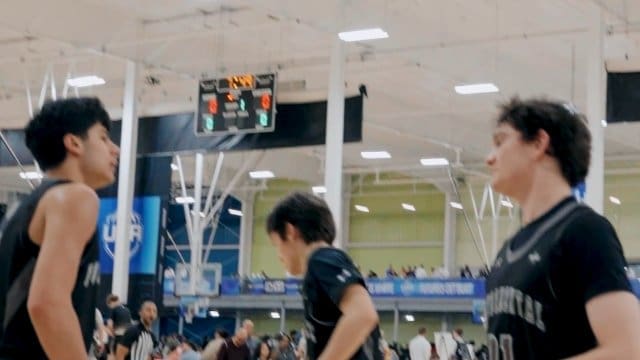
The Recovery Playbook: Why Sleep Is Your Young Athlete’s Secret Weapon This Fall
School is back in session across the Houston area, and if your house looks like most, the math has gotten tough. Alarms are going off earlier, practices are running later, and homework is squeezing into whatever’s left. For young athletes juggling fall volleyball, flag football, cheer, or basketball training, something usually gets cut — and far too often, it’s sleep.
Here’s the truth every coach wishes more families knew: recovery isn’t the opposite of training. It is training. The drills, the reps, the conditioning — those break the body down. Sleep, rest, and refueling are when the body actually rebuilds stronger. Skip the recovery, and you’re leaving most of the gains on the table.
Sleep Is the Most Powerful Recovery Tool Your Athlete Has
There’s no supplement, gadget, or ice bath that comes close to what a good night’s sleep does for a young athlete. During deep sleep, the body releases growth hormone — the natural signal that repairs muscle, builds bone, strengthens tendons and ligaments, and restocks energy stores for tomorrow’s practice.
The research is eye-opening. Studies of adolescent athletes show that those sleeping less than 8 hours a night carry roughly 1.7 times the injury risk of teammates getting 8 or more. Sleep also sharpens the things that win games: reaction time, sprint speed, accuracy, and focus. And yet most teen athletes average around 7 hours a night — falling short of the recommended amount on the vast majority of school nights.
Read that again: the single biggest injury-prevention move most families can make this fall is free, and it happens in the bedroom, not the gym.
Warning Signs Your Athlete Isn’t Recovering
Young athletes rarely announce that they’re worn down — they just start playing worn down. Watch for these signals as the fall season picks up:
- Nagging soreness that never clears. Normal soreness fades in a day or two. Soreness that lingers all week means the body isn’t getting time to rebuild.
- Slipping motivation or mood. The kid who used to sprint to the car for practice now drags. Irritability and short tempers often show up before fatigue does.
- More colds and sniffles. Short sleep raises stress hormones and weakens the immune system, which is why under-recovered athletes seem to catch everything going around school.
- Flat performance. If effort is high but results are dropping — slower feet, missed serves, late reactions — recovery debt is a likely culprit.
If you’re seeing two or more of these, the answer usually isn’t more training. It’s better recovery.
The Fall Recovery Game Plan
You don’t need a sports-science lab to get this right. A few consistent habits cover most of it:
Set a sleep “training time.” Athletes ages 6–12 need 9–12 hours; teens need 8–10. Work backward from the morning alarm and treat bedtime like practice time — non-negotiable on school nights.
Create a wind-down routine. Screens off 30–45 minutes before bed. The blue light and the scrolling both delay sleep. A shower, a snack, and a few minutes of stretching tell the body it’s time to shut down.
Refuel within an hour of practice. A real dinner or a simple combo of protein and carbs — chocolate milk, a turkey sandwich, yogurt and fruit — gives the body raw material to rebuild overnight.
Keep one true rest day. At least one day a week with no organized practice, games, or training. Backyard play is fine — structured stress is what needs a break.
Watch the schedule creep. When school, club, and private training stack up, total weekly load matters more than any single workout. If sleep is consistently getting squeezed, the calendar — not the kid — needs adjusting.
Strong Seasons Are Built at Night
Every family wants their athlete to get better this fall. The good news is that the biggest edge isn’t another training session — it’s protecting the recovery that makes training count. Put sleep on the schedule the way you put practice on the schedule, and watch what happens to energy, mood, and performance by October.
Want help building a smart, balanced season? Be Someone Sports offers rec leagues, select programs, and training across Friendswood, Pearland, League City, and the greater Houston area — all built around developing the whole athlete. Explore our fall programs, and if this post helped your family, share it with another sports parent on the sideline.


Share this post:
