
More Than the Scoreboard: How Team Sports Build Friendships, Leadership, and Lifelong Confidence in Young Athletes
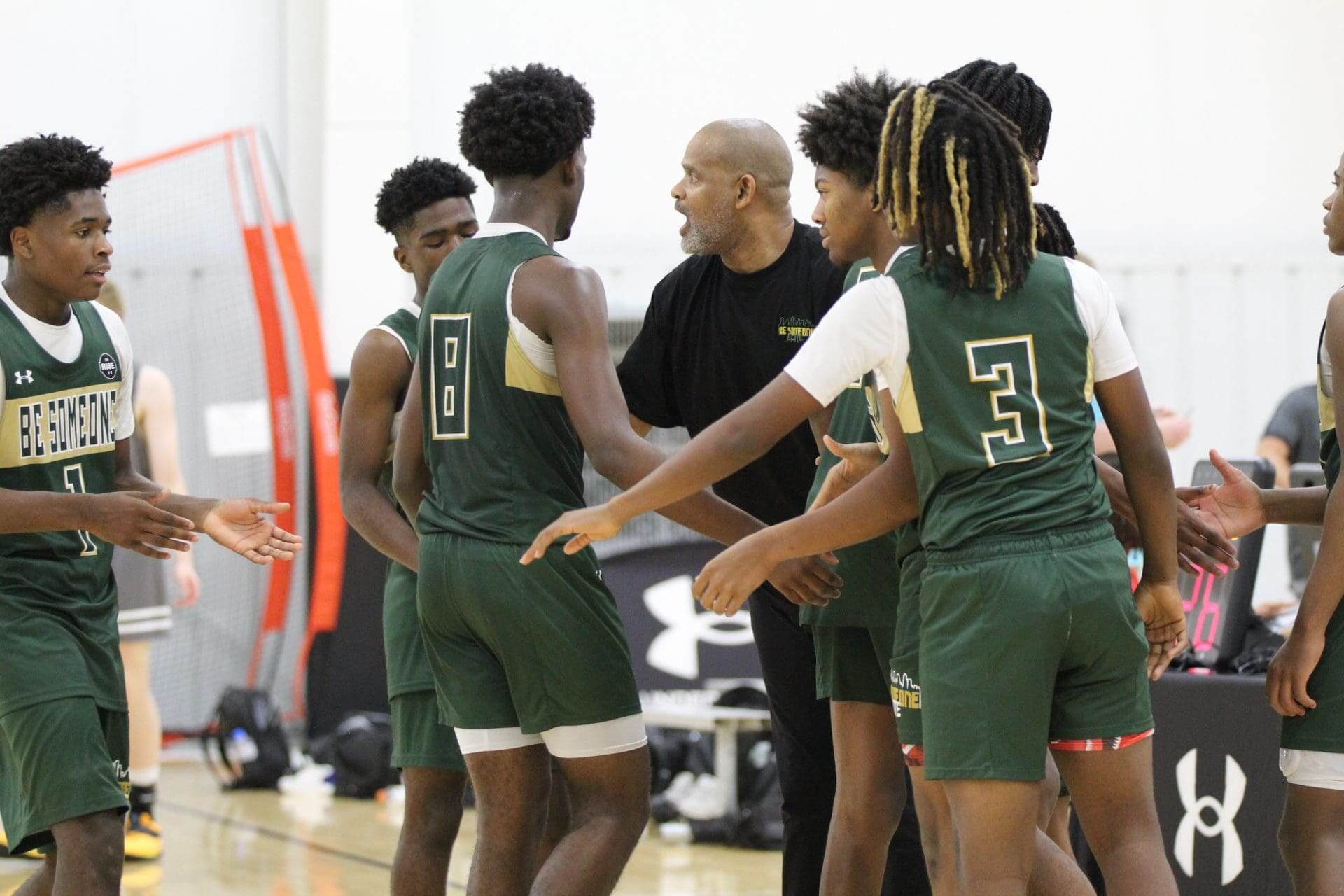
If you walk past any youth field in Houston this spring, you’ll hear the obvious sounds — whistles, cheers, the squeak of cleats, a coach calling out a play. But if you stand there long enough, you’ll start to notice the quieter stuff. The high-fives after a missed shot. The teammate jogging back to help up the kid who tripped. The bench erupting because someone scored their very first goal.
That’s the part nobody puts on the scoreboard. And it’s the part that ends up mattering most.
At Be Someone Sports, we’ve watched thousands of kids grow up through our programs in Houston, and one thing keeps coming back to us: the trophies fade, the highlight reels get buried in old phones, but the friendships, the leadership lessons, and the confidence kids build on a team — that stuff sticks.

The Friendships Formed on a Team Are Different
Most kids meet their classmates because of geography. They meet their teammates because of shared effort. That’s a meaningful difference.
When kids run drills together at 7 a.m., lose a heartbreaker together, and dig deep on a hot Saturday in July together, they’re not just becoming friends — they’re building the kind of trust most adults still hope to find. Team sports give kids a reason to show up for someone who isn’t family. They learn how to encourage a teammate having a rough day, how to celebrate someone else’s success without jealousy, and how to keep a promise to a group of people counting on them.
Those skills don’t stay on the field. They walk into classrooms, friendships, first jobs, and eventually marriages and workplaces. Research from the Aspen Institute’s Project Play has consistently shown that kids who play team sports report stronger peer relationships and a greater sense of belonging — and we see it in our own gyms and fields every weekend.
Leadership Doesn’t Start in the Boardroom — It Starts on the Bench
Ask most successful adults where they first learned to lead, and you’ll rarely hear “in a meeting.” You’ll hear about a coach. A captain’s armband. A moment they had to step up when a teammate got hurt or quit.
Team sports give kids dozens of micro-leadership moments every season:
- Encouraging a younger player who’s struggling
- Calling out a play under pressure
- Owning a mistake instead of blaming someone else
- Showing up early, staying late, and setting the tone with their effort
None of those moments earn a medal. But every one of them teaches a kid that leadership isn’t a title — it’s a habit. The 9-year-old who hands a water bottle to a tired teammate today is the 19-year-old who runs a study group, and the 29-year-old who mentors the new hire.
Coaches: How to Spotlight Leadership Without Picking Favorites
If you’re coaching this season, look for the small acts. Name them out loud. “Maya, I saw you run back to help Jordan up — that’s the kind of teammate this team is built on.” Kids hear those words. They remember them. And they start looking for chances to do it again.

Confidence That Comes From the Inside
There’s a kind of confidence you can’t fake — and you can’t shortcut it either. It only comes from doing hard things, in front of people, and surviving.
That’s exactly what team sports offer. Kids step into the batter’s box knowing they might strike out. They take the free throw with the game on the line. They get cut, get benched, get back up. And every single time they keep showing up, they’re sending themselves a quiet message: I can handle this. I’ve handled harder.
That’s the confidence we want our kids carrying into a tough exam, a college interview, or a moment when they have to stand up for someone in the hallway. It’s not built in pep talks. It’s built in practice — over and over, surrounded by teammates pulling for them.
What Parents Can Do This Season
You don’t need to be a former athlete to help your child get the most out of a team. A few simple moves go a long way:
- Ask better questions after games. Skip “Did you win?” Try “What did you do for a teammate today?” or “Who made you laugh at practice?”
- Praise effort and character louder than stats. Kids are listening to what you celebrate.
- Let coaches coach. Your child needs you in the stands, not on the sideline.
- Show up consistently. Your presence at an ordinary Tuesday practice matters more than your reaction to a Saturday win.
The Real Final Score
Years from now, your child probably won’t remember the exact score of any game they played at age 10. But they’ll remember the teammate who became a best friend. The coach who believed in them before they believed in themselves. The moment they realized they were braver than they thought.
That’s what team sports build. That’s what we’re building at Be Someone Sports — every practice, every season, every kid.
Ready to give your child a team that feels like family? Explore Be Someone Sports’ Rec Sports programs and find the right league for your young athlete this season. And if this post hit home, share it with a parent or coach who needs the reminder — the scoreboard isn’t the whole story.


Share this post:
